
Shard
Plugin Customization
$500+
about 5 hours and up
- Extend an existing plugin
- New shortcode or widget
- Small workflow automation
- Bug fixes & compatibility updates
- Clean, documented code
WordPress has a plugin for almost everything, but “almost” is where many organizations get stuck. A booking plugin that doesn’t match how you schedule, a membership plugin that can’t handle your approval process, or five plugins stitched together to do one job can slow your site down and break with every update.
We write custom WordPress plugins in clean, well-documented PHP that follows WordPress coding standards. Each one does one job well, comes with a plain-language guide and settings page for your team, and is built to keep working through WordPress updates.
Recent and current projects include a winner-profile system for an awards program that turns form submissions into bilingual profile pages, a private members area with approvals, a discussion forum and member listings for a research network, and an artwork catalogue and gallery plugin built on WooCommerce.
Every project starts with a short discovery call and a written specification, so you know exactly what the plugin will do, how long it will take and what it will cost before we write a line of code.

Many of our website solutions start with a great existing plugin. When that plugin can’t do what you need, we extend it or build your own.
Custom scheduling rules, intake steps and integrations for online booking.
Approvals, member-only content, renewals and forums for memberships and subscriptions.
Registration, badges and check-in tools for ticketing systems.
Extend the trusted tools on our recommended plugins list instead of replacing them.
Every plugin is quoted at $100/h + HST after a short discovery call. These are typical starting points.
Plugin Customization
Custom Plugin
Platform Plugin
A custom plugin should do one job well and keep working for years. We start with a clear specification, build on a staging site and hand over a plugin your team can actually use.
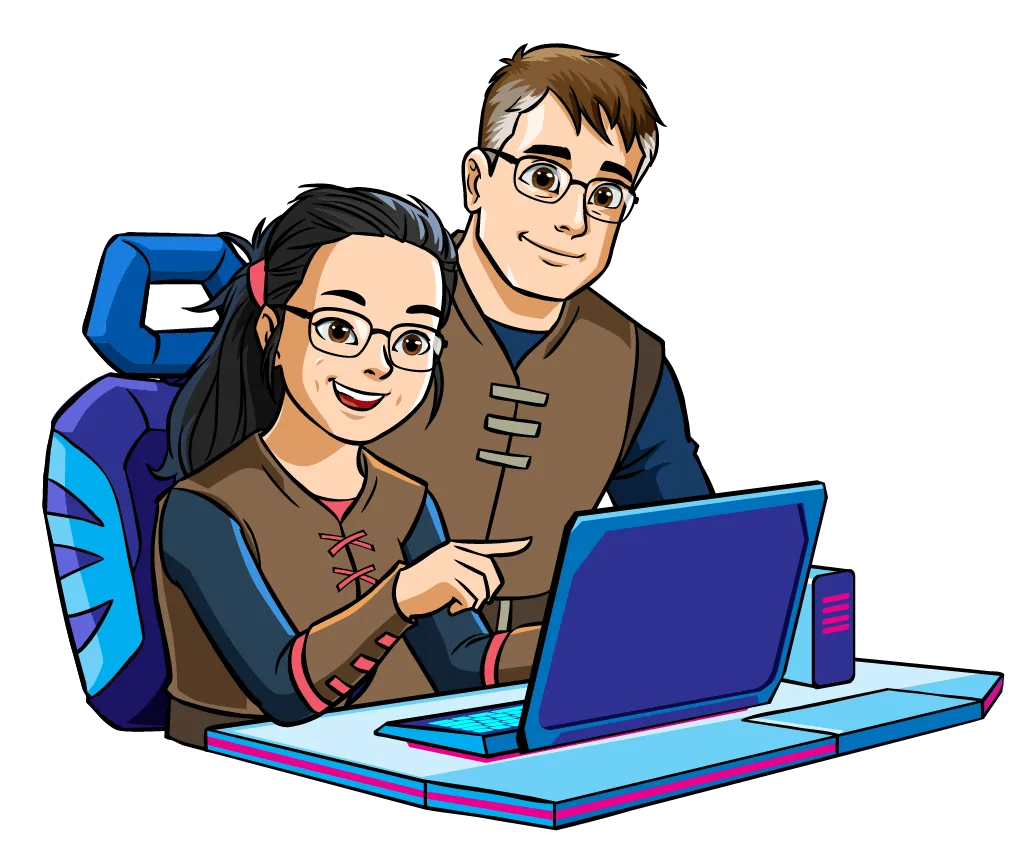
You’ll work directly with Craig and Brenda from the first conversation to the final file. No account managers, no outsourcing, and no surprises on your invoice.
Phase 1 · Write the specification
We learn how your team works today and what the plugin needs to do. Then we write a short specification covering features, user roles and data.

Phase 2 · Plan the architecture
We plan custom post types, fields, settings pages and integrations, and check whether existing plugins can be extended instead of replaced.

Phase 3 · Code and test
We write clean, documented PHP that follows WordPress coding standards, and test it on a staging copy of your site, including with your theme and other plugins.

Phase 4 · Install and support
We install the plugin on your live site, add a plain-language guide inside WordPress and train your team. Maintenance plans keep it tested through future updates.
WordPress powers a huge share of the web largely because of its plugins. But every plugin you add brings code you don’t control, settings to learn and updates to apply. When a site relies on several plugins stitched together for one job, it often becomes slow, fragile and hard to maintain.
A well-built custom plugin replaces that patchwork with one focused piece of software designed for your exact workflow. It loads only what it needs, uses WordPress’s official APIs and is documented so another developer could pick it up in the future.
Whether it’s a small Shard or a full Lattice platform, every plugin we build has the same solid foundations.
A short written plan of features, user roles, data and screens, agreed before we start coding.
PHP, JavaScript and CSS that follow the WordPress coding standards, with comments for future developers.
Input validation, sanitized output, nonces and permission checks on every action.
Tested on a staging copy of your site with your theme and other plugins before it goes live.
An admin settings page and a plain-language guide inside WordPress for your team.
Training after launch and optional maintenance to keep it working through future updates.
If you’re not sure whether something is possible, ask us. The answer is usually yes.
Often you should, and we’ll tell you when one fits. A custom plugin makes sense when existing options don’t match your process, need several plugins working together, or add a lot of bloat for one small feature.
We follow WordPress coding standards and use its official APIs, which keeps plugins stable through updates. Our maintenance plans include testing after major updates.
Yes. Once the project is paid for, the plugin is yours to use on your website.
Usually. We review the code first, then recommend whether to extend it, repair it or rebuild it cleanly.
Yes. Every plugin comes with a settings page and a plain-language guide inside WordPress, plus training if you’d like it.
Yes. We build WooCommerce extensions for custom product types, pricing rules, catalogue displays and checkout steps.
Small customizations often start around five hours of work, while full platform plugins can take sixty hours or more. After a short discovery call we give you a written estimate at our hourly rate.
A focused custom plugin is usually lighter than the several general-purpose plugins it replaces, so sites often get faster.
Yes. We build plugins that work with WPML and translate cleanly into French or other languages.
Yes. Every plugin includes an in-dashboard guide for your team and code comments for future developers.
Often, yes. If the other system has an API, we can usually connect it to WordPress securely.
We can extend the plugin at any time, and our maintenance plans include testing after WordPress and PHP updates.