A picture is worth a thousand words Make Your Research [ice]Shine[/ice]
You worked hard for your results. Now it’s time to share them. A strong scientific illustration communicates complex ideas with clarity, precision and efficiency, helping reviewers, readers and audiences grasp your findings at a glance.
All of our scientific illustration projects are led by Brenda, a physicist with a PhD in Nanotechnology and Biophysics from the University of Waterloo who teaches physics there on a regular basis. She has drawn countless schematics for her own publications and her colleagues’. Services are billed at $100/h + HST, with significant academic discounts for students and university labs.
Because Brenda is a scientist first, you won’t spend hours explaining the basics. She reads your abstract, asks the right questions about mechanisms, scale and emphasis, and suggests visual metaphors that are accurate as well as eye-catching. The result is artwork that reviewers trust and readers remember.
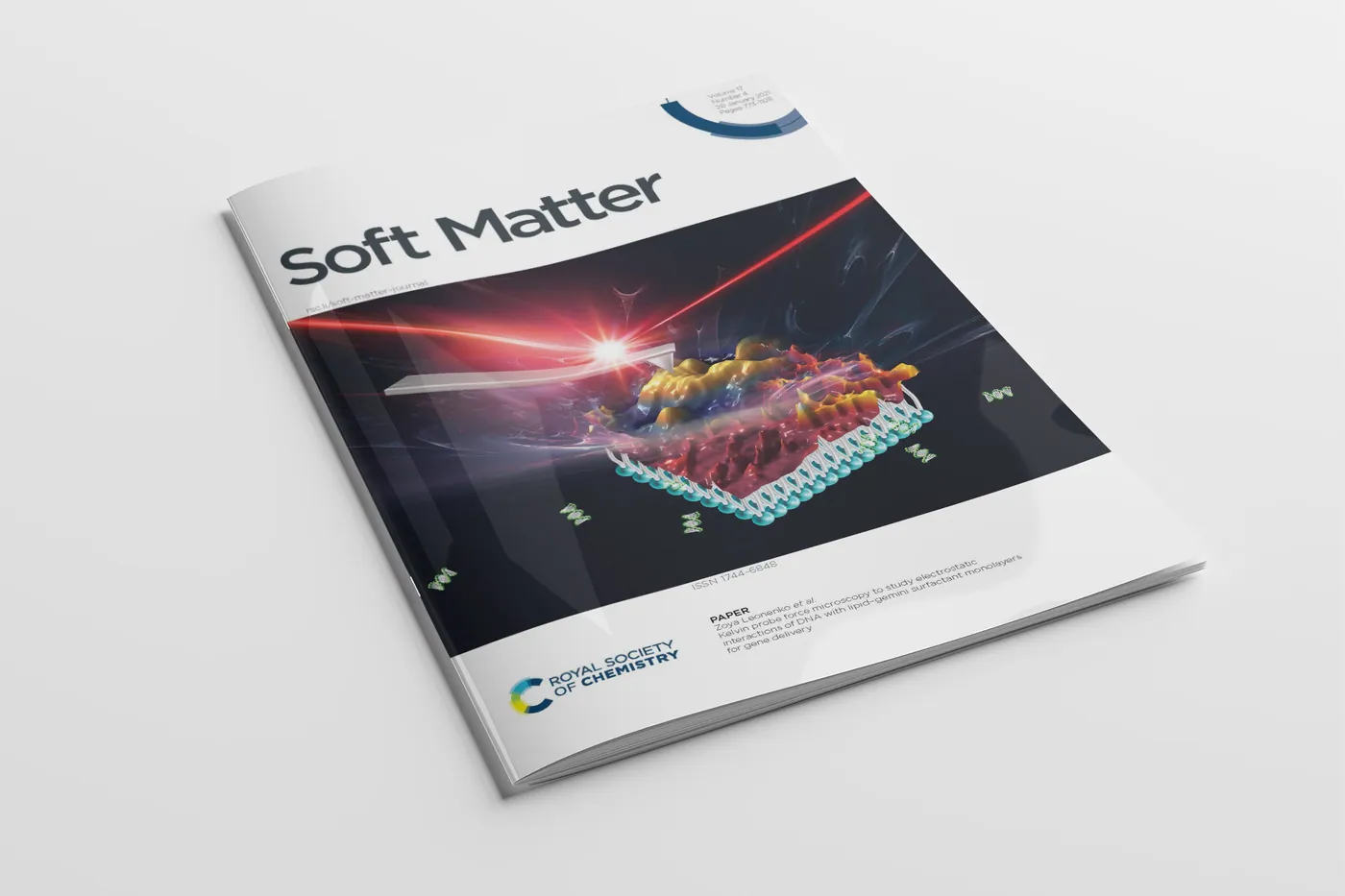
We work with researchers around the world, from graduate students preparing a thesis to principal investigators submitting cover art to journals such as Soft Matter and Physical Chemistry Chemical Physics, and teams sharing discoveries with the media, like our artist’s concept of the lava planet TOI-561 b for a James Webb Space Telescope study.
What we draw
- Journal covers
- Graphical abstracts
- Figures & schematics
- Mechanisms & pathways
- Thesis graphics
- Conference posters
- Presentation figures
- 3D scientific renders
From rough sketch to published coverHow a Scientific Illustration [ice]Comes Together[/ice]
Every project starts with a short conversation about your research and where the figure will appear: a journal cover, a graphical abstract, a thesis chapter or a conference talk. You can send us your paper, data, rough sketches or even photos of a whiteboard. Nothing is too messy.
Brenda then creates a concept sketch so we can agree on the layout and the story before any detailed artwork begins. Once the direction is approved, she builds the final illustration in vector or 3D, checking scale, labels and scientific accuracy with you along the way.
You receive print-ready and web-ready files sized to your journal’s specifications, plus editable versions so figures can be updated for future papers. Minor revisions are included right up until publication, because peer review often asks for small changes.

Why invest in professional figures?Good Figures Get Your Work [ice]Noticed[/ice]
Reviewers and readers often look at the figures before they read a single paragraph. A clear schematic can make a complex mechanism obvious, while a striking cover image can bring your paper to the front of the issue and into the press.
Professional illustrations are also an investment you keep using: in grant applications, lab websites, posters, lectures and outreach. Many of our clients come back for each new paper, building a consistent visual style for their lab over the years.

Trusted by researchersUniversities & research institutes we’ve drawn for









Plus the University of Birmingham, Lakehead University and the Thunder Bay Regional Research Institute, and research groups across Canada, the United States and the United Kingdom.
Simple, transparent pricing One Hourly [ice]Rate[/ice], No Surprises
$100/h+ HST
Every scientific illustrations project is unique, so we provide a custom quote based on the time it will take. You’ll know the estimate before we start, and we’ll always check with you before going beyond it.
Get a Free EstimateFeatured projectsFrom the Dragon’s [ice]Lair[/ice]
A few examples of our scientific illustrations work. Hover over one to see what it is.
 Research group websiteNorthern Sustainable Food Systems Research Group
 Bilingual research network websiteOperators of Canadian Arctic Research Infrastructure (OCARI)
- Scientific illustrationJournal Front Cover for Soft Matter
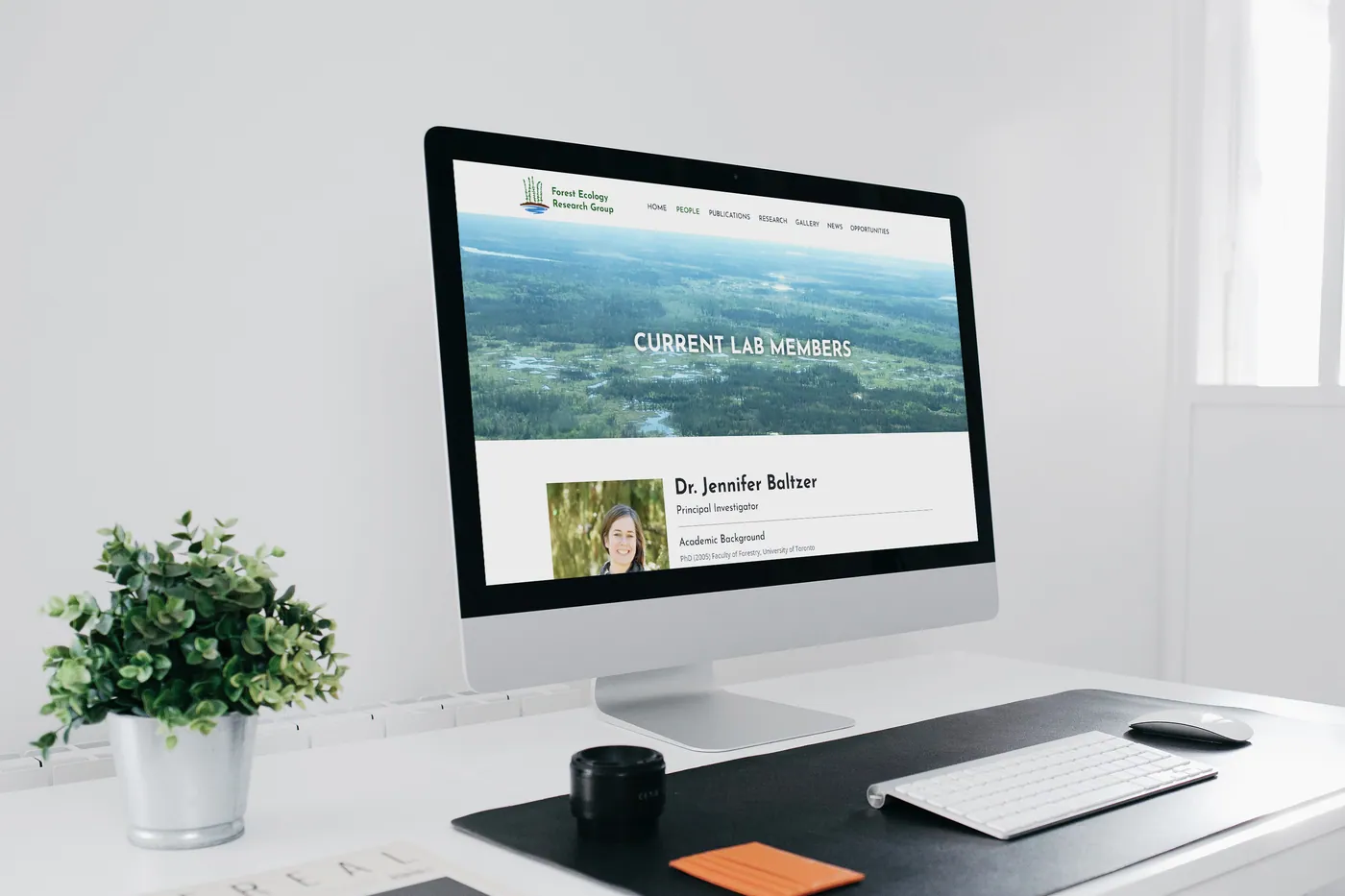 Research lab websiteForest Ecology Research Group (Dr. Jennifer Baltzer)
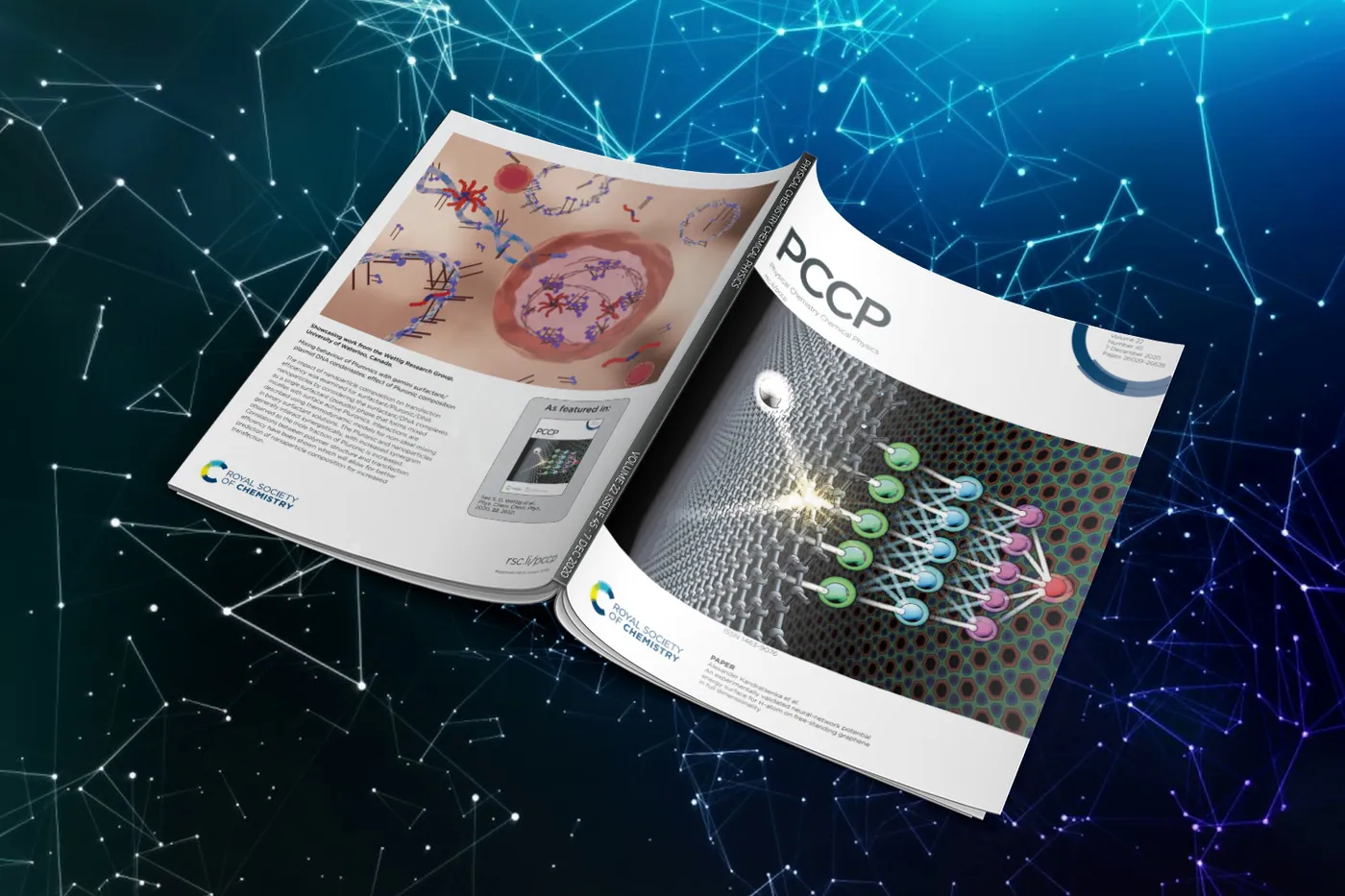 Scientific illustrationJournal Back Cover for PCCP Volume 22, Issue 45
From rough sketch to published cover Our Scientific Illustration [ice]Process[/ice]
Scientific illustration has to be beautiful and accurate. Brenda, a physicist, works through the science with you, so every visual choice has a reason.
You’ll work directly with Craig and Brenda from the first conversation to the final file. No account managers, no outsourcing, and no surprises on your invoice.
Phase 1 · Understand the science
Discover
We read your paper or abstract, discuss the key finding and check the journal’s size and format requirements.

Phase 2 · Sketch the concept
Sketch
We sketch a few compositions that tell your story at a glance, and choose the strongest one together.
Phase 3 · Illustrate
Illustrate
We create the full illustration, checking every structure and scale with you for accuracy.
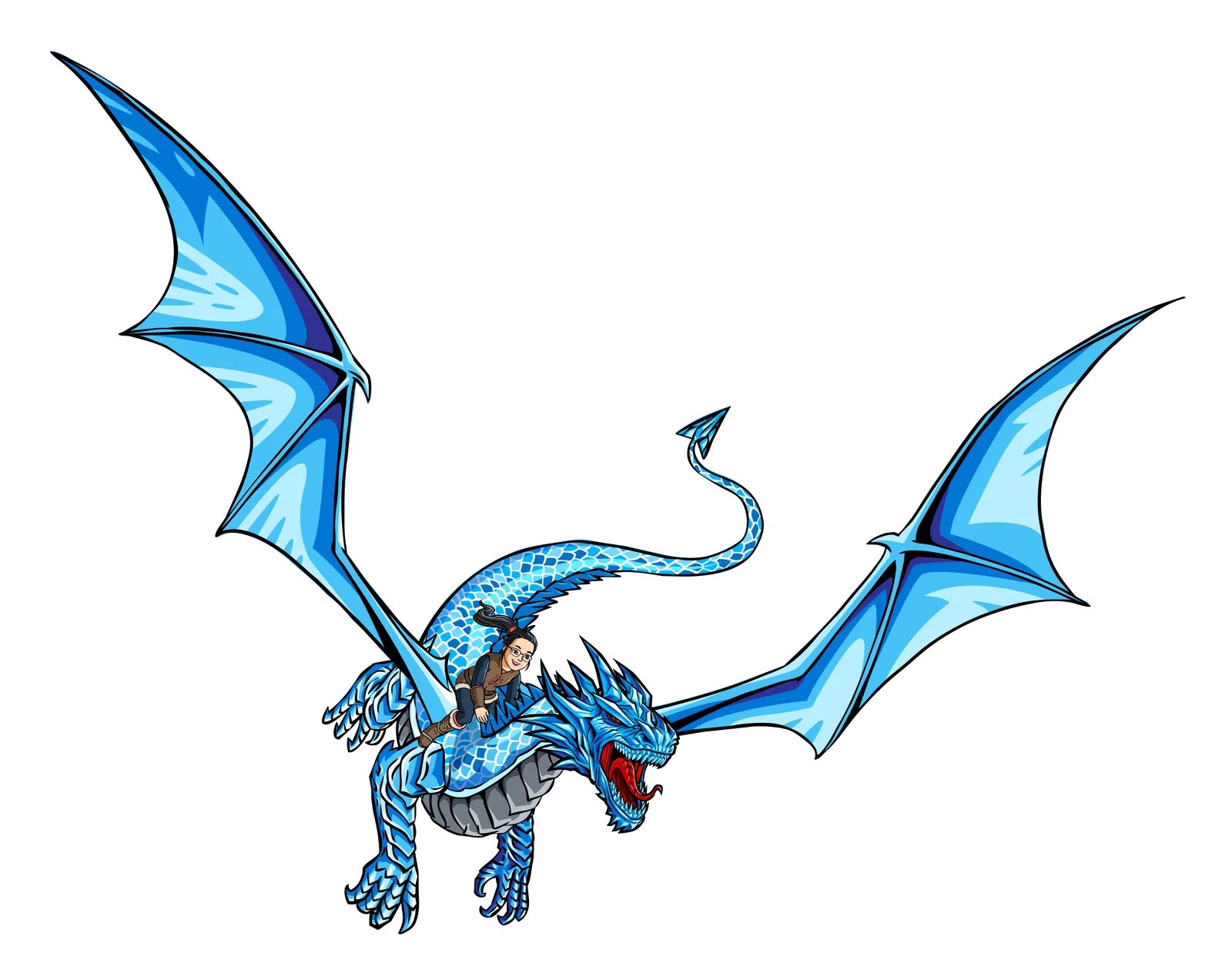
Phase 4 · Deliver for publication
Deliver
You receive print- and web-ready files to the journal’s specifications, with minor revisions until publication.
Who we work withScientific Illustration for Researchers, Journals and [ice]Institutions[/ice]
We create scientific illustrations for researchers and labs at universities around the world, research institutes, science communicators, biotech companies and science outreach programs. Our work includes journal cover art, graphical abstracts, schematic figures, conference posters, press release images and illustrations for teaching and outreach.
Brenda holds a PhD in Nanotechnology and Biophysics and teaches physics, so she can read your paper, understand the science and ask the right questions. That means fewer rounds of explanation and illustrations that experts will recognize as accurate.
Recent work includes the artist’s concept for the lava planet TOI-561 b that accompanied James Webb Space Telescope research news, as well as covers for journals such as Soft Matter and Physical Chemistry Chemical Physics.
Types of illustrationCovers, Graphical Abstracts and [ice]Schematics[/ice]
Journal cover art
Cover images are designed to attract attention and summarize a key finding in one striking image, formatted to the journal’s exact specifications.
Graphical abstracts and TOC images
A graphical abstract helps readers grasp your paper’s main idea at a glance in the table of contents and on social media.
Schematic figures
Clear, consistent diagrams of mechanisms, experimental setups, structures and processes for papers, theses and grant applications.
Outreach and press images
Artist’s concepts and explanatory graphics that help the public understand research, ideal for news releases and websites.
Accuracy and clarityScientifically Accurate, [ice]Visually Compelling[/ice]
Good scientific illustration balances accuracy with clarity. Too much detail can obscure the key message; too much simplification can mislead. We work with you to decide what must be precise, what can be simplified and how to guide the viewer’s eye to what matters.
Illustrations are created with professional design software at publication resolution. We follow journal guidelines for dimensions, resolution, colour mode and file format, and provide versions for print, web and presentations.
Questions we hear a lot Scientific Illustrations [ice]FAQs[/ice]
What discounts do you offer for academics?
We offer the largest discounts for students drawing figures for dissertations and journal publications at educational institutions, and for university research labs and their principal investigators. Research institutes and private companies are quoted separately. See discounts.
Who will I work with?
Brenda manages every scientific illustration project, so you’ll be speaking with a scientist who understands your work from the first conversation.
Can you follow journal specifications?
Yes. We prepare files to each journal’s size, resolution and colour requirements, including cover submissions.
Who owns the illustration?
The researcher who signs the contract owns the finished graphics. After final payment, you can use the artwork in publications, presentations, grant applications and on your lab website. We simply ask to show it in our portfolio once it’s published.
Are revisions included?
Yes. Minor revisions are included in every completed project right up until publication, as part of the peer-review process. If reviewers ask for a label change or a small adjustment, we’ll take care of it. Major changes in direction are quoted separately.
What do you need from me to get started?
Your abstract or draft paper, the journal or format the figure is for, any data or reference images, and rough sketches if you have them. We’ll take it from there.
How long does a scientific illustration take?
Simple schematics often take a few days; journal covers and detailed 3D renders usually take one to three weeks depending on complexity and feedback. Let us know your submission deadline and we’ll plan around it.
Can you work with researchers outside Canada?
Absolutely. We work by email and video call with research groups around the world, including the United Kingdom and the United States.
What file formats will I receive?
You receive files in the formats your journal or publisher requests, typically high-resolution TIFF, PDF or EPS, plus PNG or JPG versions for presentations and the web.
Can you illustrate figures for grant applications or theses?
Yes. Clear schematics can make grant proposals, theses and reports easier for reviewers to understand.
Can you improve figures I’ve already made?
Yes. We can redraw rough sketches or existing figures so they’re consistent, clear and publication-ready.
Can you create images for a press release or news story?
Yes. Artist’s concepts and explanatory graphics help journalists and the public understand your research.